



Explore Cast Iron Pipe Joint Types from Leading Manufacturers in China
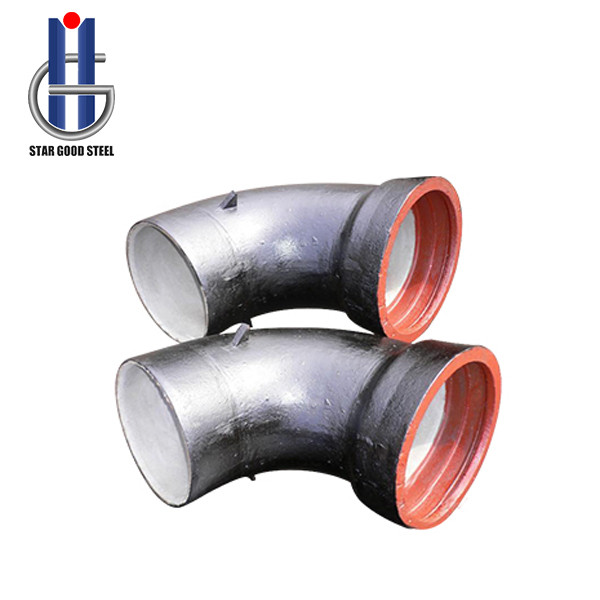
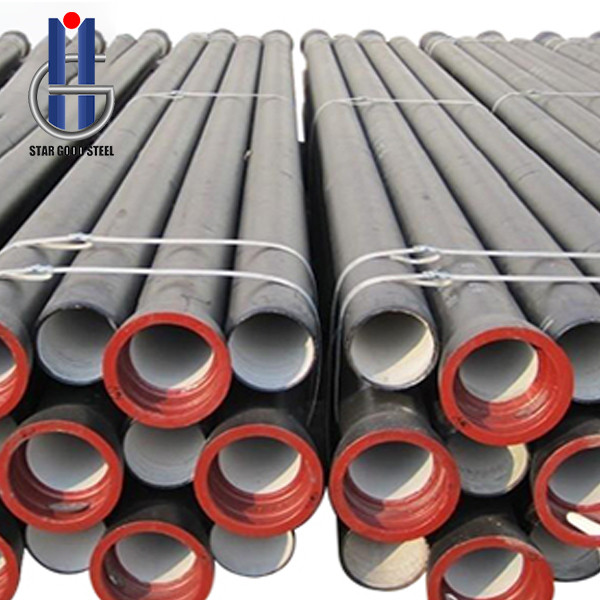
As a B2B purchaser, you understand the importance of quality and reliability when it comes to plumbing systems. That’s why I want to share insights about Cast Iron Pipe Joint Types that we manufacture. Our products come from years of expertise in the field, ensuring that you receive only the best for your projects. We offer a variety of joint types suitable for different applications, whether you need hub and spigot joints or mechanical joints. Made from high-quality materials in China, our cast iron joints provide durability and excellent resistance to various environments. Working directly with a reputable manufacturer like us means you benefit from competitive pricing and a commitment to timely delivery. Our experienced team is ready to assist you with any specific requirements you might have. Choosing the right joints can make all the difference in your next plumbing installation. Let’s build a reliable partnership and achieve success together!
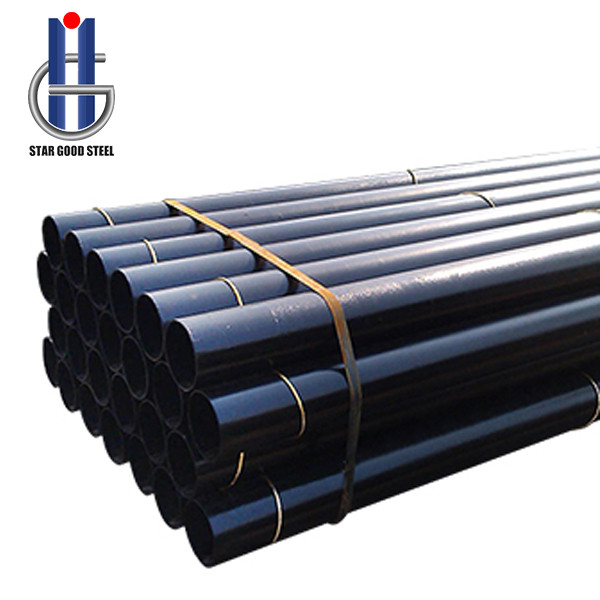
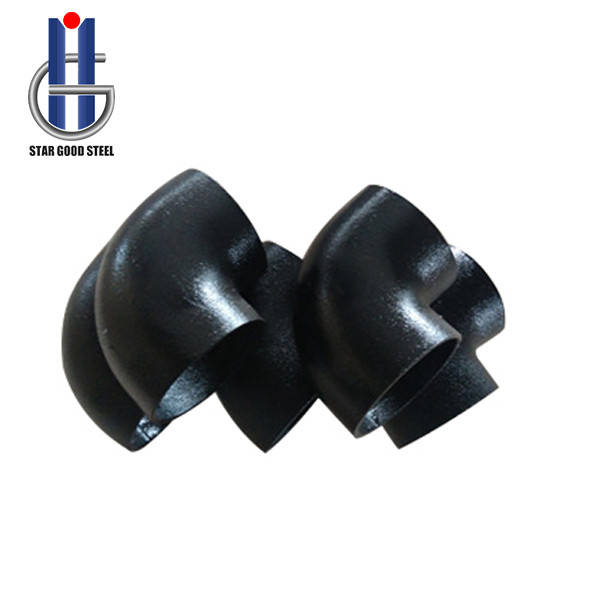

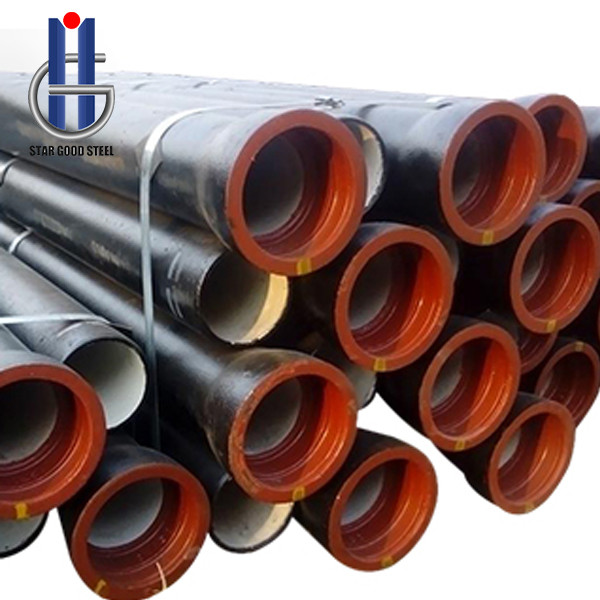
Cast Iron Pipe Joint Types Stands Out Where Service Meets Innovation
In the evolving landscape of industrial piping solutions, cast iron pipe joint types have emerged as a pivotal focus where service meets innovation. These joints are known for their durability and strength, making them an ideal choice for various applications across different industries. The seamless integration of modern technology with traditional manufacturing processes has resulted in enhanced reliability and performance of cast iron pipe joints, which are designed to withstand high-pressure scenarios while ensuring longevity. As global procurement trends lean towards sustainability and efficiency, understanding the available cast iron joint types can empower businesses to make informed purchasing decisions. Whether opting for flexible, mechanical, or lead joints, it is critical for buyers to recognize the benefits they bring, including easier installation, maintenance, and overall reduced lifecycle costs. The push for innovative designs means that manufacturers are consistently developing new products that align with environmental standards, offering a competitive edge to companies willing to embrace new technologies. In conclusion, as the industry continues to innovate, those seeking dependable piping solutions should prioritize cast iron joint types that not only meet their operational needs but also adapt to the future of service excellence. Engaging with suppliers who emphasize both product quality and customer support will be essential in navigating the complexities of global procurement, ultimately fostering partnerships that drive success.
Cast Iron Pipe Joint Types Stands Out Where Service Meets Innovation
| Joint Type | Description | Applications | Advantages |
|---|---|---|---|
| Flanged Joint | A joint that uses flanges for easy connection and disconnection. | Waterworks, HVAC systems | Ease of maintenance and assembly. |
| Bell and Spigot Joint | A type of joint where a spigot fits into a bell end. | Drainage and sewer pipelines | Strong alignment and seal. |
| Mechanical Joint | Uses a rubber gasket for sealing and a rigid assembly. | Industrial piping systems | Flexible installation and disassembly. |
| Push-On Joint | Allows for quick connection without the need for special tools. | Sanitary and stormwater systems | Fast installation and leak-proof. |
| Coupling Joint | Connects two pipes with a connector sleeve. | Repair and modification of pipelines | Versatile and adaptable for various sizes. |
Related Products
Cast Iron Pipe Joint Types in 2025 Outperforms the Competition
Top Selling Products
- Related Blog
- Reviews
