



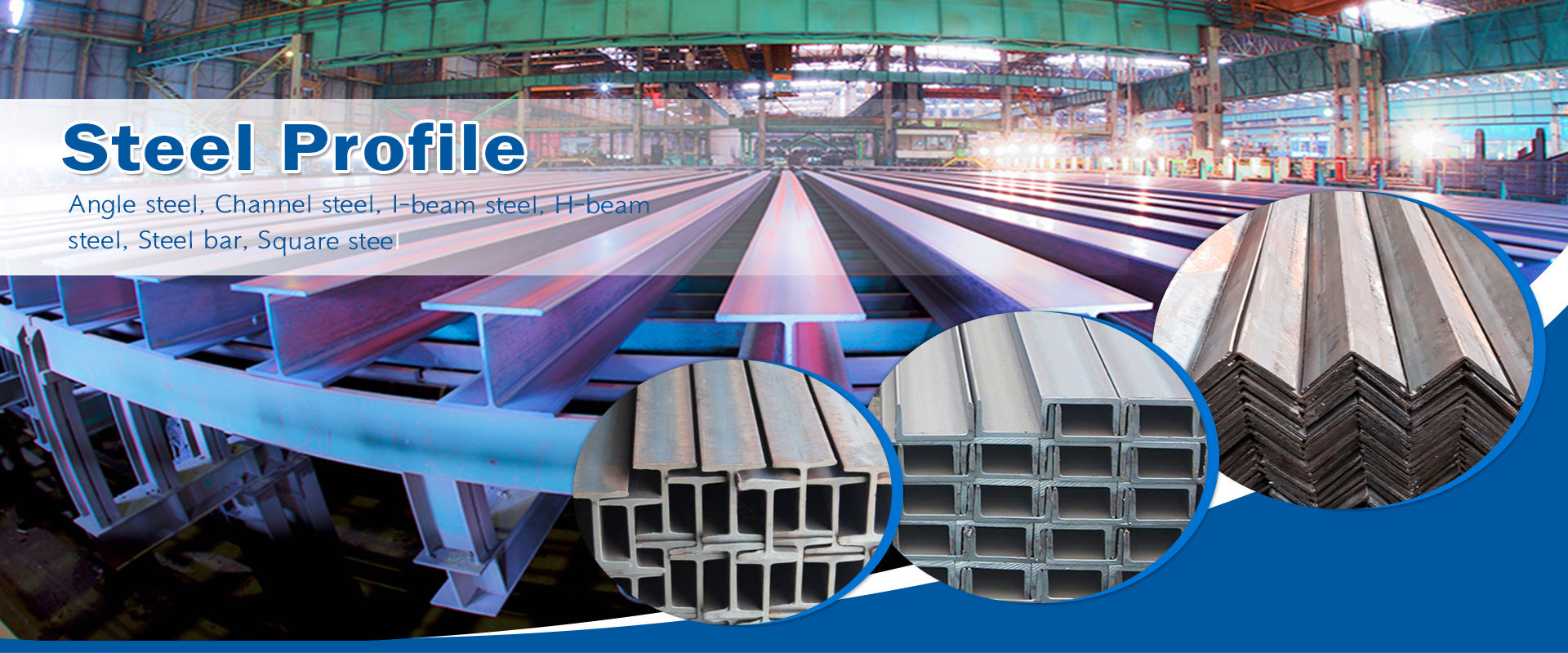
Top China Manufacturer of Galvanised H Beams for Superior Construction
When it comes to sourcing reliable Galvanised H Beams, I understand the importance of quality and durability. As a leading manufacturer in China, I pride myself on delivering exceptional steel products that meet the rigorous standards of various industries. My Galvanised H Beams are engineered for strength and resilience, making them perfect for construction and heavy-duty applications. The galvanisation process ensures resistance to corrosion, prolonging the lifespan of your projects. I know that as a B2B purchaser, you seek suppliers who offer both value and performance. That's why I focus on providing products that not only meet specifications but also fit your budget. Partnering with me means choosing a manufacturer dedicated to your success. Let’s build lasting structures together with the best materials available in the market. When you choose my Galvanised H Beams, you’re making a wise investment for your business and projects ahead.
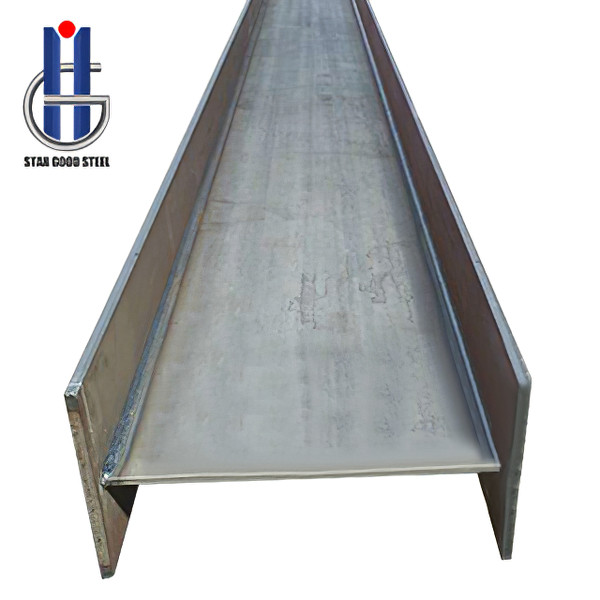
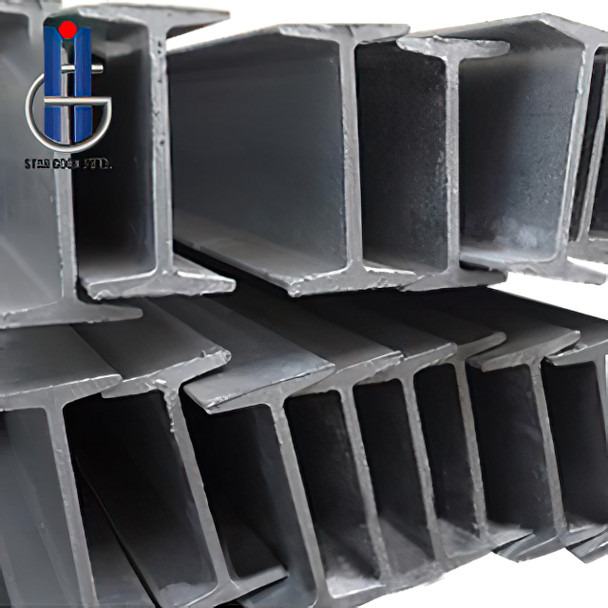
Galvanised H Beams Application Where Service Meets Innovation
Galvanised H beams have emerged as a pivotal steel solution in various industries due to their exceptional strength, durability, and resistance to corrosive elements. These beams are particularly indispensable in construction and manufacturing, where structural integrity and longevity are paramount. Their innovative design facilitates efficient load-bearing capabilities, making them ideal for a wide range of applications from bridges to high-rise buildings. The galvanisation process not only protects the steel from rust but also enhances its aesthetic appeal, offering a practical yet visually pleasing alternative for modern architectural designs. In industries where service meets innovation, the integration of galvanised H beams signifies a commitment to quality and performance. The versatility of these beams allows for seamless adaptability to different structural requirements, ensuring they meet the specific needs of global purchasers. Furthermore, the continuous advancements in steel treatment technologies have paved the way for lighter, stronger, and more sustainable options, keeping pace with the evolving demands of the construction sector. This balance between innovative solutions and reliable service positions galvanised H beams as a preferred choice for procurement professionals seeking dependable materials that drive project success. As the global market continues to prioritize sustainability and efficiency, investing in galvanised H beams not only capitalizes on their functional benefits but also aligns with environmentally conscious practices. By reducing the need for frequent replacements due to rust and degradation, they contribute to lower lifetime costs and reduced waste. Ultimately, selecting the right materials is crucial for project success, and galvanised H beams stand out as a clear choice, embodying the principles of innovation, service, and sustainability that resonate with modern procurement strategies.
Galvanised H Beams Application Where Service Meets Innovation
| Application Area | Beam Type | Load Capacity (kN) | Length (m) | Coating Thickness (mm) |
|---|---|---|---|---|
| Construction | H-200 | 150 | 6 | 2.5 |
| Bridges | H-300 | 200 | 8 | 3.0 |
| Industrial | H-400 | 300 | 10 | 4.0 |
| Residential | H-150 | 100 | 5 | 2.0 |
| Power Plants | H-500 | 400 | 12 | 5.0 |
Related Products
Galvanised H Beams Trusted by Pros Sets the Industry Standard
Top Selling Products
- Related Blog
- Reviews
